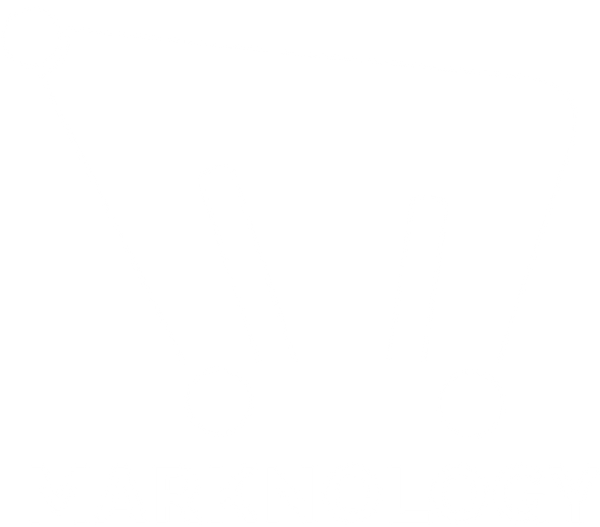
- ACoS formula is straightforward: Divide your ad spend by ad revenue and multiply by 100, but the resulting percentage only makes sense when compared to your specific product margins and business goals.
- Break-even ACoS equals your product margin percentage: If your product has a 40% margin after all costs, an ACoS above 40% means you are losing money on that sale.
- High ACoS can be strategic for new launches and growth: Accepting higher ACoS makes sense when building reviews, dominating keywords, targeting high lifetime value customers, or capitalizing on seasonal peaks like Prime Day.
- Low ACoS can be misleading: A 12% ACoS only on exact brand terms may indicate you are capturing sales you would have gotten anyway rather than actually growing your customer base.
Quick answer: To lower Amazon ACoS, stop chasing a magic percentage and optimize around your margins and goals. ACoS = (Ad Spend ÷ Ad Revenue) × 100. A 25% ACoS can be excellent for one brand and terrible for another, so set targets from your actual product margins rather than a number from a blog post.
Amazon ACoS Explained: How to Actually Optimize Your Advertising Cost of Sales
If you've run Amazon PPC for more than a week, you've stared at your ACoS number and wondered if it's good, bad, or somewhere in between.
Here's the truth: most sellers obsess over ACoS without understanding what it actually means for their business. They chase a "good" ACoS percentage they read about in some blog post, then wonder why their profitable campaigns get killed or their losing campaigns keep running.
After working with 300+ brands and managing millions in Amazon ad spend, I can tell you this: ACoS is important, but it's not the whole story. And optimizing it isn't about hitting some magic number. It's about understanding your margins, your goals, and what you're actually trying to accomplish.
Let's break it down.
How is ACoS calculated?
ACoS stands for Advertising Cost of Sales. It's the percentage of revenue you spend on advertising to generate that revenue.
The formula is simple:
ACoS = (Ad Spend / Ad Revenue) x 100
If you spend $25 on ads and generate $100 in sales from those ads, your ACoS is 25%.
That's it. Simple math.
But here's where it gets interesting. That 25% ACoS might be amazing for one brand and terrible for another. It depends entirely on your margins, your business model, and what stage you're at.
What is a good ACoS?
This is the question everyone asks, and the answer nobody wants to hear: it depends.
A good ACoS for a supplement brand with 60% margins is very different from a good ACoS for an electronics brand with 15% margins.
Here's how to think about it:
Your Break-Even ACoS
This is the ACoS where you make zero profit after ad spend. It's based on your product margin.
Break-Even ACoS = Product Margin %
If your product has a 40% margin (after COGS, Amazon fees, fulfillment, etc.), your break-even ACoS is 40%. Any ACoS below that, you're making money. Any ACoS above that, you're losing money on that sale.
But here's the thing: sometimes losing money on the first sale is the right move.
When High ACoS Makes Sense
I've seen brands panic over 50% ACoS when they should be celebrating. Here's when high ACoS is actually strategic:
New product launches. When you're trying to get reviews, build velocity, and establish ranking, a high ACoS is the cost of entry. You're buying market position, not immediate profit.
Market share plays. If you're going after a competitor's position or trying to own a keyword, you might accept higher ACoS to dominate that real estate.
High LTV customers. If your customer lifetime value is 3x your first purchase (repeat buyers, subscriptions, bundles), you can afford to lose money on acquisition.
Seasonal windows. Prime Day, Q4, category-specific peaks. Sometimes you accept higher ACoS during peak windows because the volume makes up for it.
"ACoS is a metric, not a goal. The goal is profitable growth. Sometimes that means accepting higher ACoS in the short term to build something bigger." - Andrew Morgans, Marknology
When Low ACoS Is Overrated
On the flip side, I've seen brands brag about 12% ACoS while leaving massive revenue on the table.
If you're only advertising on your exact brand terms (low ACoS, high conversion), you're not growing. You're just paying for sales you would have gotten anyway.
Low ACoS is great if you're also capturing new customers, expanding into new keywords, and growing total revenue. But if you're optimizing for ACoS at the expense of growth, you're playing the wrong game.
Why does TACoS matter more than ACoS?
ACoS only tells you what percentage of ad-attributed sales went to ads. It doesn't tell you how ads impact your total business.
That's where TACoS comes in.
TACoS = Total Advertising Cost of Sales
TACoS = (Ad Spend / Total Revenue) x 100
This includes all your sales, not just ad-attributed ones. It shows you what percentage of your entire business goes to advertising.
Here's why it matters:
Let's say you spend $1,000 on ads, generate $4,000 in ad sales (25% ACoS), but your total sales for the month are $10,000.
Your ACoS is 25%, but your TACoS is 10% ($1,000 ad spend / $10,000 total sales).
That means your ads are driving organic lift. They're improving your ranking, getting you in front of more customers, and generating sales that don't get attributed to ads.
A rising ACoS with a stable or falling TACoS is actually a good sign. It means your ads are working to drive total business growth, even if the direct attribution looks worse.
We track both for every client. ACoS tells us about campaign efficiency. TACoS tells us about business health.
What are common ACoS mistakes?
Mistake 1: Treating All Campaigns the Same
Your branded campaigns should have different ACoS targets than your category campaigns. Your exact match campaigns should perform differently than broad match.
If you're using the same ACoS target across all campaign types, you're doing it wrong.
Fix: Segment your ACoS targets by campaign type, funnel stage, and strategic intent.
Mistake 2: Killing Campaigns Too Early
I see sellers pause campaigns after 3 days because the ACoS is high. Amazon's algorithm needs time to learn. You need data to optimize.
Fix: Give campaigns at least 2 weeks and $200-300 in spend before making major decisions. Look at trends, not snapshots.
Mistake 3: Ignoring Contribution Margin
ACoS based on revenue is misleading if your product costs vary. A $50 product with $10 COGS is very different from a $50 product with $30 COGS.
Fix: Calculate ACoS based on contribution margin, not just revenue. Know your true break-even.
Mistake 4: Optimizing for Yesterday's Data
Amazon attribution is delayed. What you see today reflects yesterday's performance (or last week's). If you're making daily changes based on daily data, you're chasing ghosts.
Fix: Look at weekly or bi-weekly trends. Make adjustments based on patterns, not noise.
Mistake 5: Forgetting About Organic Rank
Lowering bids to improve ACoS might also lower your organic rank, which kills your long-term sales. You saved 5% on ACoS and lost 30% of your organic traffic.
Fix: Monitor organic rank and total sales alongside ACoS. Optimize for total profitability, not just ad efficiency.
How Marknology Optimizes ACoS Across 300+ Brands
We don't have a one-size-fits-all ACoS strategy. Every brand is different. But here's the framework we use:
Step 1: Understand the Unit Economics
Before we touch a campaign, we map out:
- True product margin (after all costs)
- Break-even ACoS
- Target ACoS based on profit goals
- LTV if applicable
This gives us the financial boundaries to work within.
Step 2: Segment Campaigns by Intent
We run different campaign types with different goals:
- Brand defense: Low ACoS, high conversion, protect our territory
- Category growth: Moderate ACoS, expand into new keywords, build relevance
- Competitor conquesting: Higher ACoS, strategic, steal share
- Product launches: Variable ACoS, focused on velocity and reviews
Each gets a different ACoS target and optimization approach.
Step 3: Bid Based on LTV, Not Just First Sale
If we know a customer's LTV is 2.5x their first order, we can afford to pay more for acquisition. This completely changes what's "acceptable" for ACoS.
Step 4: Track the Halo Effect
We look at how ads impact total sales, not just attributed sales. If a Sponsored Products campaign drives organic rank improvements, that's worth more than the direct ACoS suggests.
Step 5: Optimize for Contribution Margin, Not Revenue
We calculate ACoS based on margin dollars, not revenue dollars. This gives us a clearer picture of true profitability.
Step 6: Test and Iterate
We run controlled tests on bid adjustments, keyword expansions, and creative changes. We measure impact over weeks, not days. We let the algorithm learn.
Real Examples of ACoS Reduction
Case 1: Supplement Brand (58% ACoS to 31% ACoS)
This brand came to us spending $18K/month with 58% ACoS. They were advertising on everything, no structure, no strategy.
We restructured campaigns into tight SKU-based ad groups, killed underperforming keywords, focused budget on high-intent search terms, and improved product detail pages to boost conversion.
Within 90 days: ACoS dropped to 31%, sales increased 22%, and TACoS went from 42% to 18%. They went from losing money to profitable growth.
Case 2: Home Goods Brand (22% ACoS to 35% ACoS, But Revenue Up 180%)
This brand had great ACoS but tiny sales. They were only advertising on their brand name and a handful of exact match keywords.
We expanded into category keywords, launched Sponsored Brand Video, tested broad match campaigns, and increased total ad spend by 3x.
ACoS went up (22% to 35%), but total sales went up 180%. TACoS stayed at 19% because organic sales grew alongside ad sales. Profit dollars tripled.
Sometimes higher ACoS is the right move.
Case 3: Electronics Brand (Seasonal ACoS Management)
This brand sells primarily in Q4. They run at break-even ACoS (18%) for 10 months, then push to 28% ACoS in November-December to capture holiday volume.
Annual profit is higher because they're willing to sacrifice margin during the peak window to maximize revenue when demand is highest. That seasonal flexibility is worth more than year-round "efficiency."
When should you accept high ACoS?
Here's when I tell clients to stop worrying about ACoS and focus on the bigger picture:
You're launching a new product. First 60 days, ACoS doesn't matter. You need reviews, you need rank, you need momentum. Spend to get there.
You're defending against a competitor. If someone's attacking your category or brand terms, you fight back. Worry about profit after you've protected your position.
You're building a brand, not flipping products. If you're in this for 3-5 years, early customer acquisition is an investment. LTV math changes everything.
You're scaling into new categories. Expansion costs money. If you're moving from one product to ten, you're going to have learning curve costs. That's normal.
You're running during peak season. Q4, Prime Day, category-specific peaks. Volume matters. Profit per unit matters less.
The brands that win on Amazon aren't the ones with the lowest ACoS. They're the ones that understand when to optimize for efficiency and when to optimize for growth.
FAQ: Amazon ACoS
What is a good ACoS for Amazon?
A good ACoS is below your break-even ACoS (which equals your profit margin). For most brands, this is 25-40%. But "good" depends on your goals. During launches or growth phases, 50-60% ACoS may be strategic.
What's the difference between ACoS and TACoS?
ACoS measures ad spend as a percentage of ad-attributed sales. TACoS measures ad spend as a percentage of total sales (including organic). TACoS shows the true impact of ads on your entire business.
How do I calculate my break-even ACoS?
Break-even ACoS = your profit margin percentage. If your product has a 35% margin after all costs, your break-even ACoS is 35%. Any ACoS below that is profitable.
Is 30% ACoS good?
It depends on your margin. If your margin is 50%, then 30% ACoS is great. If your margin is 20%, then 30% ACoS means you're losing money. Know your numbers first.
How can I lower my ACoS?
Improve conversion rate (better images, copy, reviews), focus on high-intent keywords, use negative keywords to block bad traffic, optimize bids based on performance data, and improve product detail page quality.
Should I pause campaigns with high ACoS?
Not necessarily. Look at total sales impact, organic rank changes, and whether it's a new campaign still learning. Also consider if the campaign serves a strategic purpose (launch, market share, brand defense).
What's more important, ACoS or TACoS?
TACoS. It shows the health of your total business, not just ad-attributed sales. A rising ACoS with stable TACoS means your ads are driving organic lift, which is good.
The Bottom Line
ACoS is a tool, not a goal.
The goal is profitable growth. Sometimes that means low ACoS. Sometimes it means higher ACoS with higher volume. Sometimes it means different ACoS targets for different parts of your business.
What matters is understanding your unit economics, knowing your break-even, tracking TACoS alongside ACoS, and making strategic decisions based on where you're trying to go, not just where you are today.
We've managed ACoS across 300+ brands, every category, every business model. The ones that win are the ones that optimize for profit, not percentages.
If you want help building an ad strategy that actually makes sense for your brand, contact Marknology. We'll look at your numbers, your goals, and build a plan that works.
```html


How do you use ACoS management to increase Amazon sales?
While most sellers focus on lowering ACoS, the real opportunity lies in using ACoS as a strategic lever to drive sales growth. Here's how to use ACoS management to increase your sales on Amazon:
- Accept a higher ACoS on new product launches to capture market share. During the first 30-60 days, running campaigns at 35-50% ACoS (even if unprofitable short-term) builds review velocity, improves organic rankings, and establishes your product in Amazon's algorithm. This initial investment typically pays off within 90 days as organic sales increase and you can lower ad spend.
- Segment campaigns by profitability goal rather than treating all products the same. High-margin products can sustain 30-40% ACoS while still being profitable, allowing you to bid more aggressively and capture more total sales volume. Low-margin products need 15-20% ACoS. This segmentation lets you maximize total revenue instead of applying one ACoS target across your catalog.
- Use ACoS data to identify which keywords drive both ad sales AND organic lift. Track your total sales (ad plus organic) for each keyword over 2-4 week periods. Keywords that show organic sales growth while you advertise are worth a higher ACoS because they compound your results. Scale spend on these terms even if ACoS alone looks high.
- Reinvest ACoS savings from mature products into growth opportunities. Once established products reach your target ACoS (typically after 6+ months), take 30-50% of that ad budget and reallocate it to new products or expansion keywords at higher ACoS thresholds. This portfolio approach lets low-ACoS winners fund your sales growth initiatives.
Can a lower ACoS lead to MORE sales on Amazon?
Not necessarily. Lowering ACoS often means reducing bids and ad spend, which typically decreases total sales volume. The key is finding your optimal ACoS where you balance profitability with growth. Many successful sellers intentionally run certain campaigns at higher ACoS (25-40%) to maximize total revenue and market share, then optimize for efficiency only after reaching their sales volume goals.